
Capacity Building
Our goal is always to work ourselves out of a job. True impact happens when organizations have the skills and confidence to execute their vision without relying on outside consultants. Building a strong, self-sufficient team is the key to long-term success. That’s why capacity building is at the heart of what we do.
We design and deliver customized trainings that equip teams with practical, actionable skills in marketing, behavior change, design thinking, business coaching, pitching, and curriculum development. From tailored workshops to intensive two-week boot camps, we’ve helped participants develop their programs or business ideas while strengthening their ability to problem-solve and lead. We've delivered these trainings with teams across East and West Africa, adapting our approach to the realities of each environment.
Whether through hands-on coaching or immersive learning experiences, we ensure that by the end of our time together, your team is prepared to take the reins and drive sustainable success.
Our Work in Action
Creating Sustainable Behavior Change Among Street Kids: How RLabs Tanzania Adapted Its Leadership Program to Achieve Meaningful Outcomes
PERSPECTIVE
The Realities
of Life in Rural Tanzania
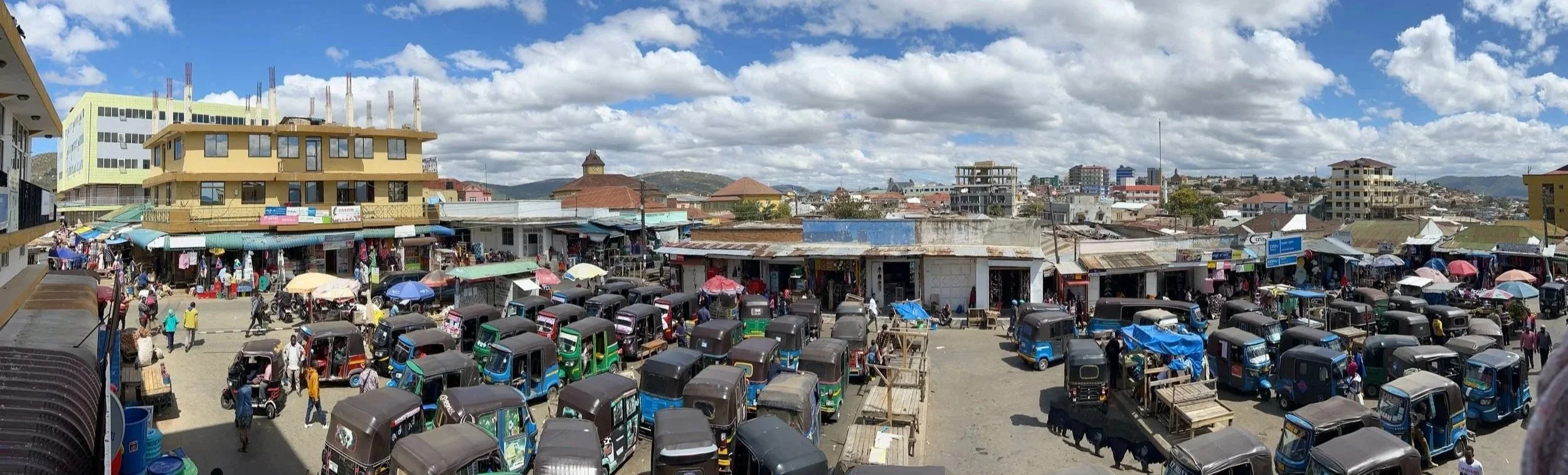
RLabs Tanzania is based in Iringa, a hilly municipality in Tanzania’s Southern Highlands. With a population of 202,490 (2022), Iringa maintains a small-town feel, centered around one main road boasting a few dozen local shops and a handful of restaurants, gas stations, and banks. The small-town feel contrasts sharply with what many associate with a bigger city problem: the groups of street kids regularly walking around town.
For the RLabs team, this contrast sparked deeper questioning. Research from 2017/2018 highlights Iringa as one of the regions more prevalent to street kids due to domestic violence and hardship.¹ This reality exists alongside other economic hardships: as of 2024, 37% of Tanzanians are living in extreme poverty, surviving on or under $1.90 per day.²
Since 2012, RLabs Tanzania has supported unemployed youth throughout Tanzania. The organization offers multiple growth mindset training programs helping young people challenge limiting beliefs, identify resources they could use to start businesses, and realize that it is within their control to achieve their goals.
MOTIVATION
Designing a Program to Reach the Youth Who Were Left Behind
Since 2023, RLabs Tanzania’s main target participants for their programs have been unemployed young men and women, mainly living at home and feeling hopeless. Working with the street kids had always been a topic of conversation throughout the office, but the challenge felt daunting. Supporting the street kids would require a completely new program that addressed immediate survival needs and irregular schedules, as well as behavioral and social challenges. The obstacle was not a lack of willingness, but a lack of structures, tools, and confidence to design an intervention that could be both realistic and impactful.
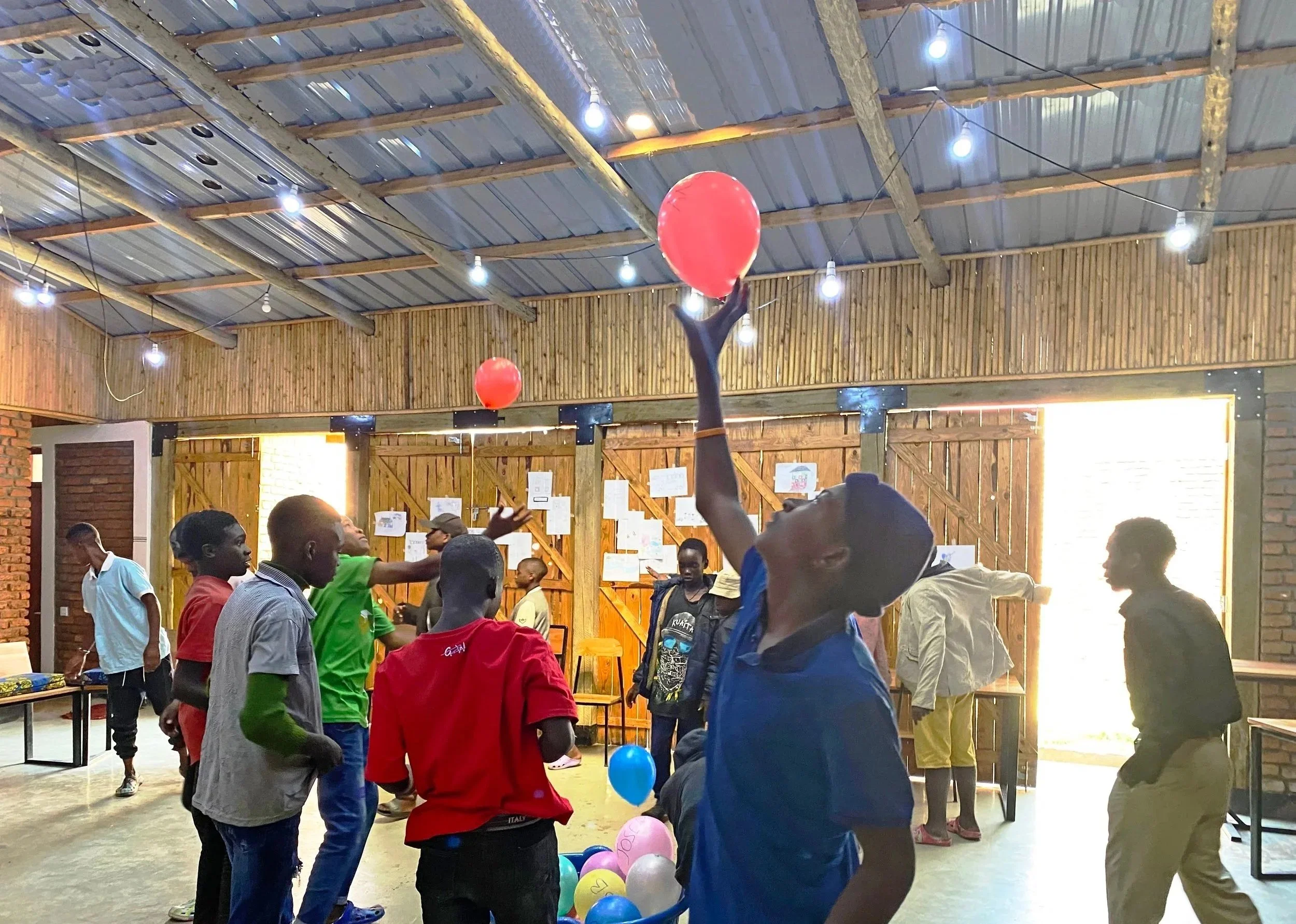
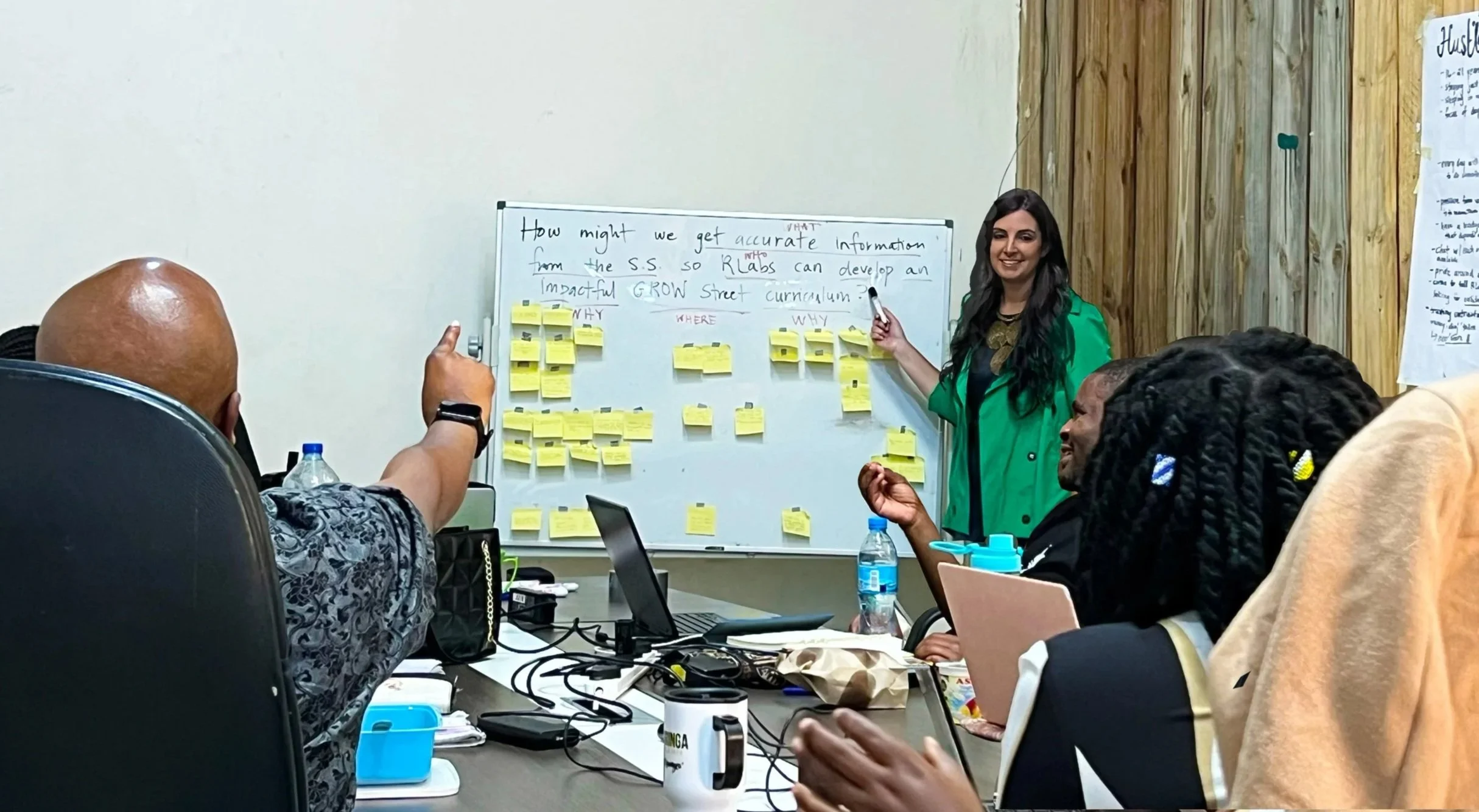
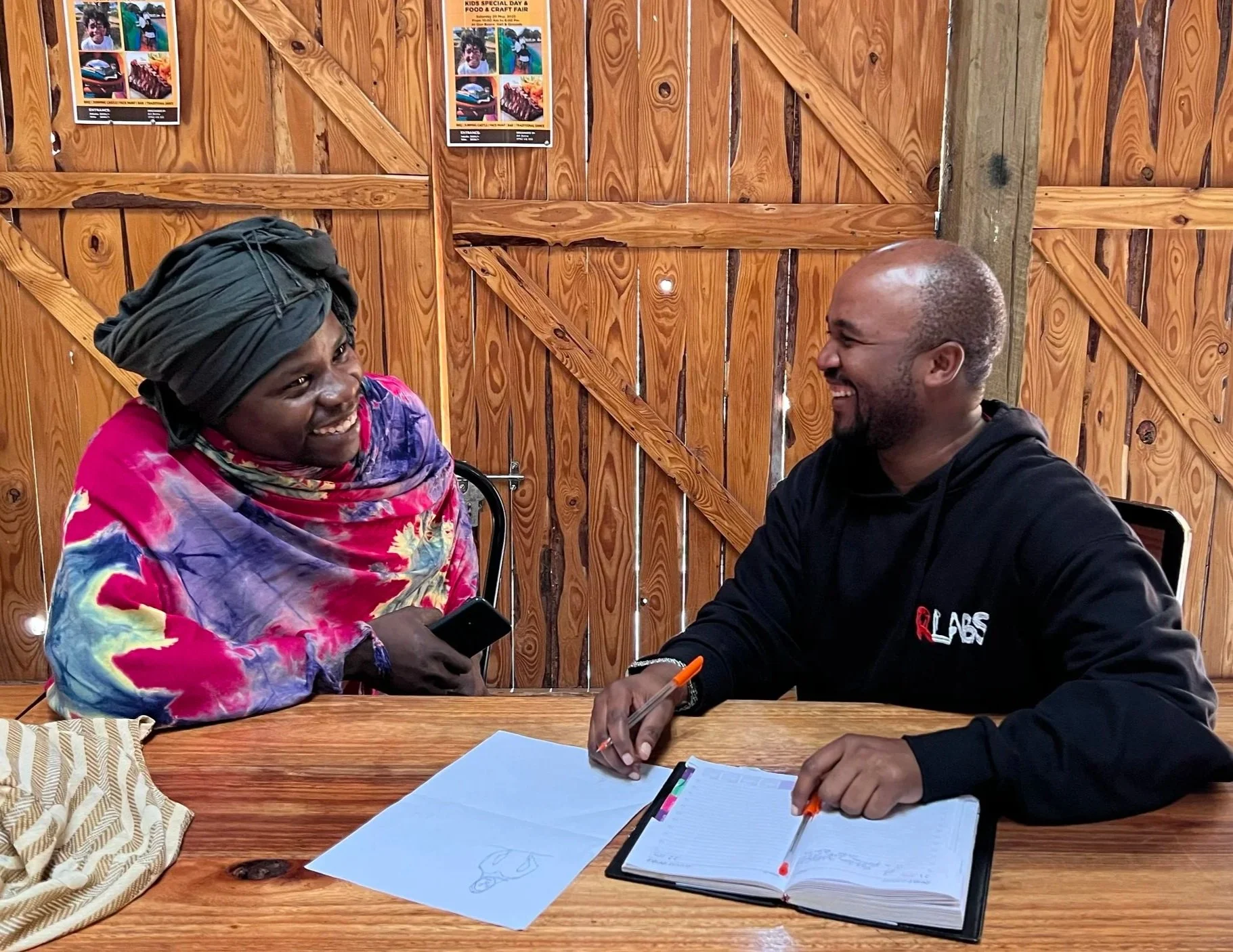
An initial opportunity for engagement emerged through RLabs’s collaboration with Petit à Petit Atelier (PAP), who helped facilitate direct outreach with a small group of street kids. This created an opening for RLabs to begin listening and learning when a handful of boys showed up at the office the following day. RLabs’s Training Manager began informal conversations to understand their daily routines and availability for potential activities at the office. After several weeks of interaction, RLabs gained clearer insight into the kids’ needs and challenges. It became evident that it was time to adapt the existing Grow Leadership curriculum specifically for the street kids.
ACTION
Making Learning Exciting Again
Previous to working on the new curriculum, the RLabs team had been exploring how to adapt Zlto, a digital app developed by RLabs South Africa, for use in rural Tanzania. Zlto is a reward system which encourages self-development and community service.
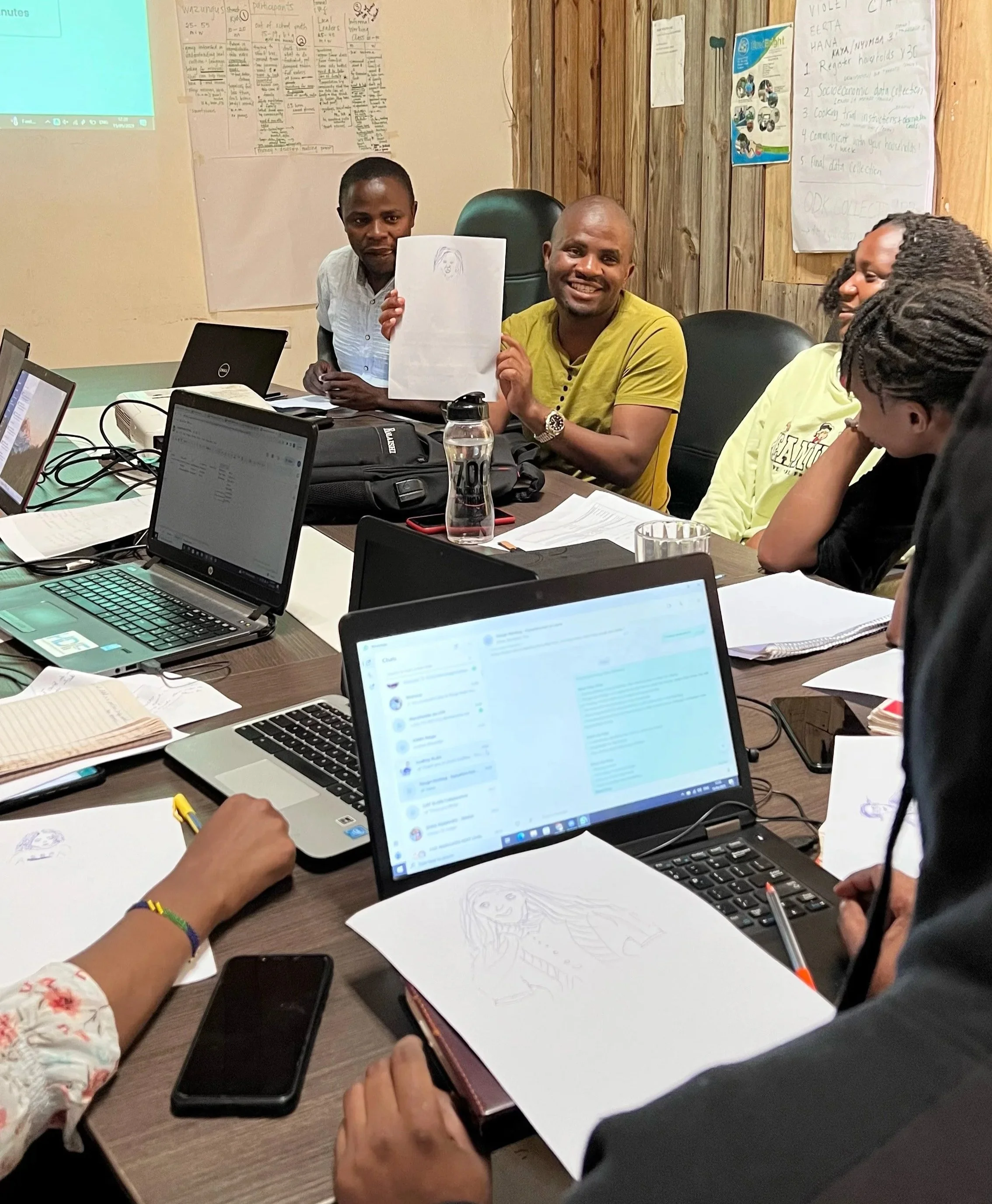
Earlier capacity-building sessions facilitated by PAP focused on adapting Zlto, equipped the team with design thinking methods, including user personas and the iterative process. Through these sessions, RLabs staff built skills in understanding the feelings, perspectives, and day-to-day life of the kids through empathy mapping, role play, and storytelling. Drawing on this foundation, RLabs continued its partnership with PAP to rapidly develop a new pilot curriculum, called Grow Street, which would be tailored specifically to the needs of the street kids in Iringa.
Given timing constraints, the RLabs team had about four weeks to design this new curriculum. Additional modules needed to be included that focused on growing up and life goals, hygiene and making safer choices, family reconciliation, and interpersonal skills. Working closely with PAP, the curriculum development team, consisting of the Training Manager, Training Content Lead, and two junior trainers, defined clear goals and key metrics for the training.
The team reviewed the previous Grow Leadership curriculum to identify sessions that should be included and sessions that needed to be added and adapted to meet the training’s goals. Based on the user personas crafted during design thinking and their growing understanding of the boys’ routines and attention spans, the RLabs team decided that training would be for three hours every weekday, with meals included, for a total of four weeks.
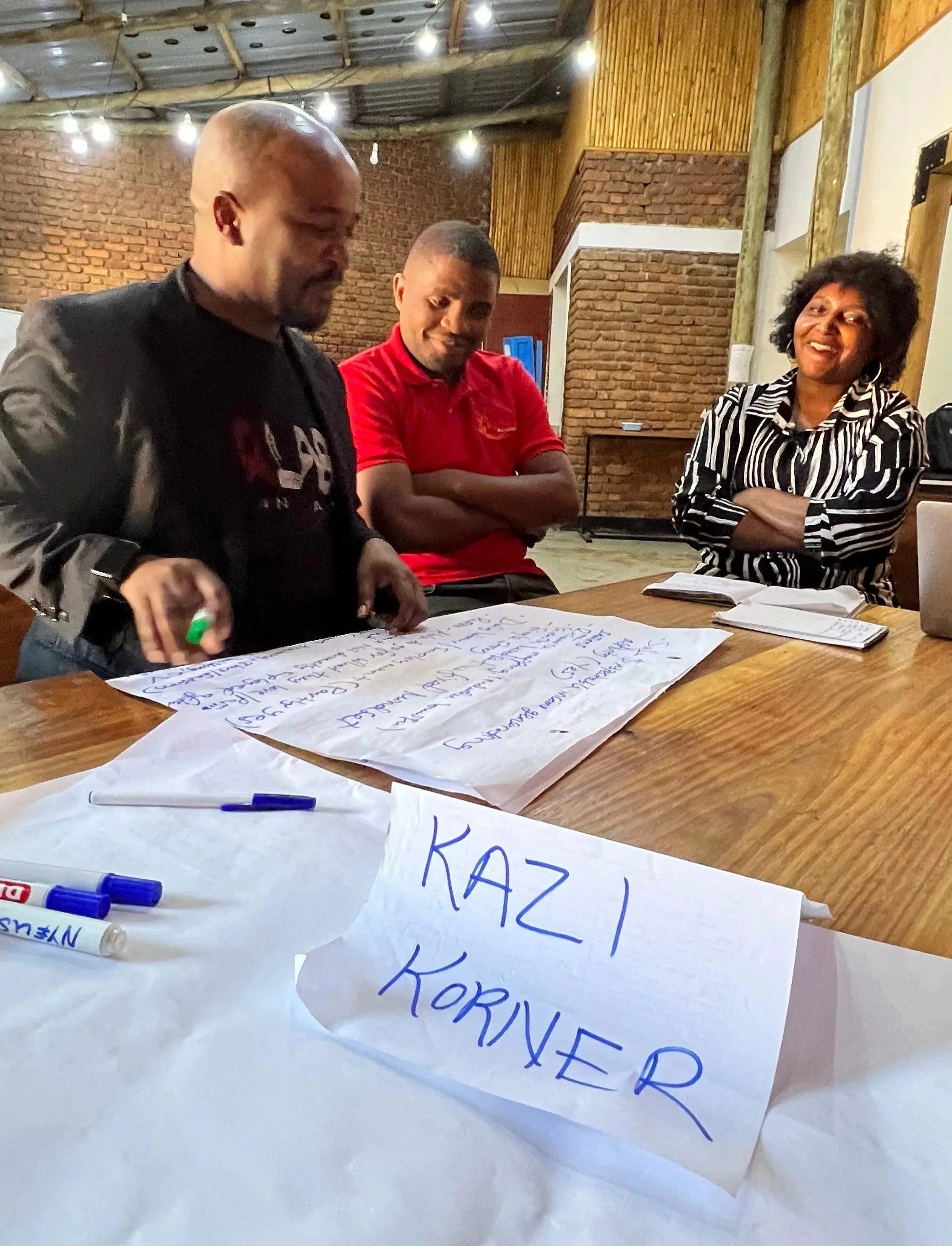
Together, the team mapped out daily themes, lesson objectives, and the sequencing of lessons to ensure that concepts built on each other over time.
Shifting How Learning Happens
Understanding that the street kids were not used to a conventional classroom structure and knowing what activities interested and motivated them was key to creating an engaging and high energy curriculum. With facilitation from PAP, the team began rethinking how learning could happen, pushing beyond discussion-based sessions and group work, to designing exciting activities that teenage boys wouldn’t want to miss.
The team adopted a variation of the worst possible idea method from design thinking, referred to as “the craziest idea”, as a way to challenge themselves and unlock creativity. Starting with the most absurd idea helped trainers more easily design activities that were engaging, memorable, and would resonate with the kids. This process helped RLabs embrace the idea that iteration and revision were strengths, not signs of failure.
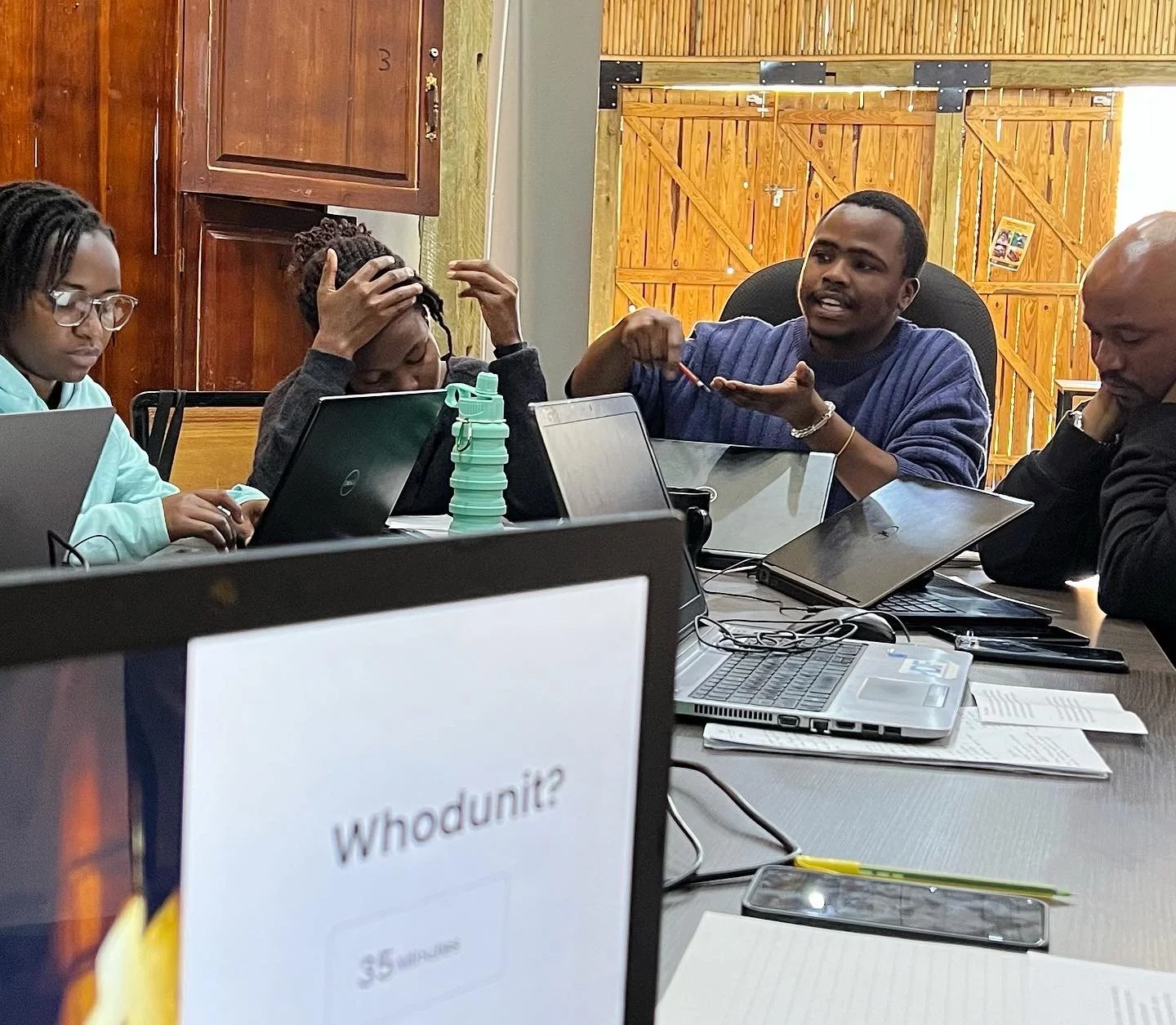
As the team grew more comfortable pushing themselves, they experimented with a variety of approaches to designing the lesson plans, including some friendly competition to generate innovative ideas. Curriculum reviews were intentionally held outside the office to keep the project fresh and to encourage RLabs to think creatively about how space, movement, and environment could be leveraged during Grow Street.
Critical questioning started to become embedded in the team’s process, ensuring that each activity was purposeful and reinforced the daily objectives.
Integrating Zlto
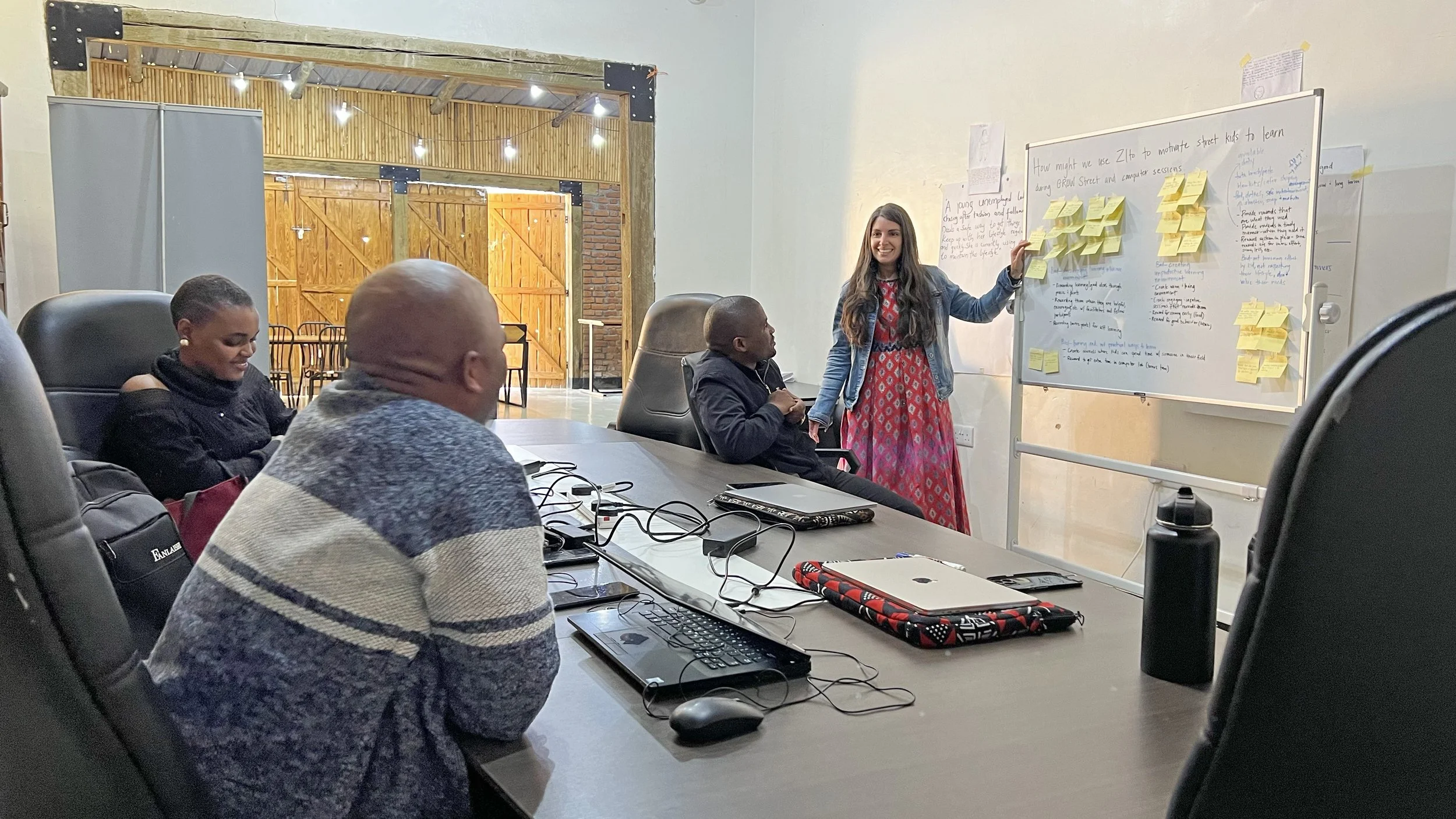
During curriculum development, RLabs identified discipline as a key challenge to program success. Through ideation sessions guided by PAP, the team explored how Zlto could be piloted with Grow Street to reinforce positive behaviors and brought to life what a non-digital Zlto could look like. They designed a simple reward structure that aligned with the boys’ motivations and logistical realities. Zlto points were intentionally embedded into daily activities to encourage desired behaviors and support the program’s objectives.
This process demonstrated how difficult behavior change scenarios can be supported by leveraging and adapting existing systems.
IMPACT
Life-Changing Results and Mindset Shifts
During September 2023, RLabs piloted Grow Street with 19 street kids.
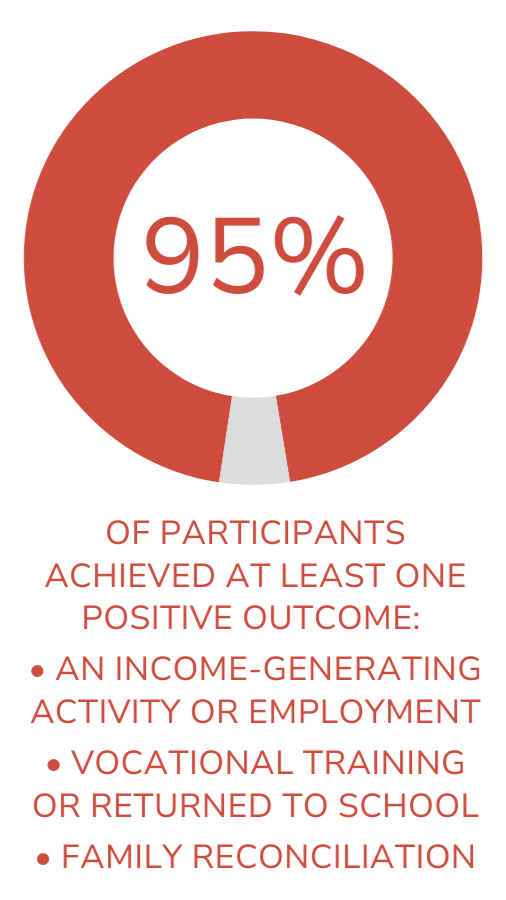
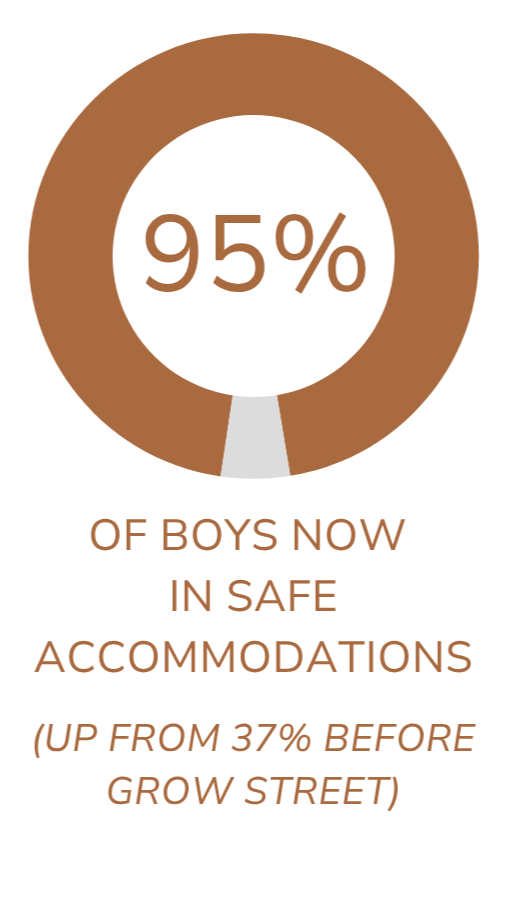
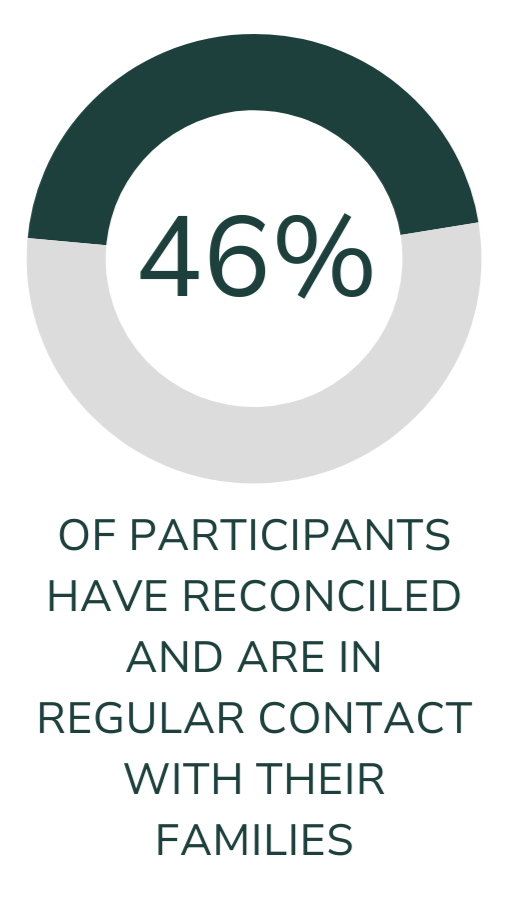
The outcomes exceeded expectations. As of June 2024, 95% of participants had achieved one or more of the following: a safe and respectable income-generating activity, daily labor or employment, were in vocational training, returned to school, or reconciled with their families. The percentage of boys no longer sleeping in the street increased from 37% before Grow Street to 95% now in safe accommodations. 26% of the kids have returned home, and an additional 46% have reconciled and are in regular contact with their families.
Mindset shifts were equally significant. Prior to the training, only 26% of kids believed they could improve their lives without donor assistance, post-program, this rose to 95%. Before Grow Street, only 6% of the kids felt that their community had a positive perception of them, which rose to 89% post training. The percentage of boys that agreed it was safe to use condoms jumped from 53% to 95%. RLabs staff also noted a rapid improvement in the kids behavior, language, hygiene, and self-presentation.
INSIGHT & ITERATION
Strengthening Program Design Through Personas, Design Thinking & Behavior Change Principles
Following the pilot, RLabs participated in structured reflection sessions facilitated by PAP to assess both successes and challenges. Analyzing these reflections, PAP identified a recurring pattern common to many grassroots interventions: good intentions and short-term gains were not consistently translating into sustained behavior change.
Drawing on these insights, PAP proposed a working hypothesis to guide RLabs in testing strategies for sustained youth behavior change: sustainable youth interventions require curriculum development that intentionally integrates user personas (from marketing), design thinking, and behavior change principles, rather than treating these disciplines as separate or sequential.
RLabs chose to test this hypothesis through a six-week intensive training with PAP, focused on deepening user personas, strengthening context-appropriate research methods, introducing behavior change concepts, revisiting curriculum goals, and addressing the intention–action gap (particularly around consistent saving behavior).
Two major insights reshaped RLabs’s approach:
One-size-fits-all approaches fall short.
A single Grow Street curriculum could not adequately serve the diverse needs of the street kids. RLabs recognized that this group was not homogenous, but comprised multiple user personas with distinct demands, risks, and routines, requiring multiple curricula.Early adopters were critical. By identifying influential participants early, the team could accelerate behavior change across the group.
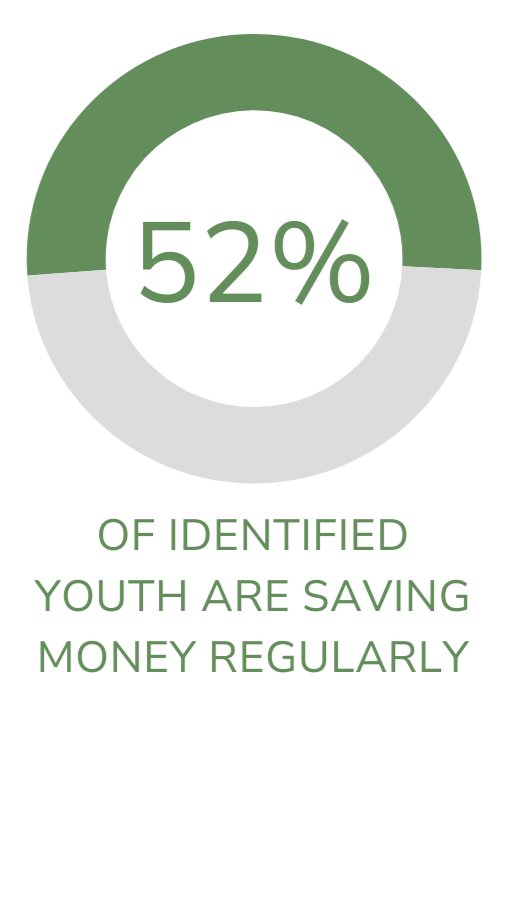
Since completing this six week training, RLabs has supported 59 street kids through Grow Street (out of the 163 identified in town). As of March 2025, despite the fact that only 36% of identified youth have participated in the training, 52% are now saving money regularly. Collectively, the kids have saved 5,154,000 TSH ($1,950.92), demonstrating the broader ripple effects of targeted behavior change strategies.
For RLabs, Grow Street demonstrated how investing in internal capacity, rather than just new programs, can achieve sustained behavior change even in highly complex contexts.
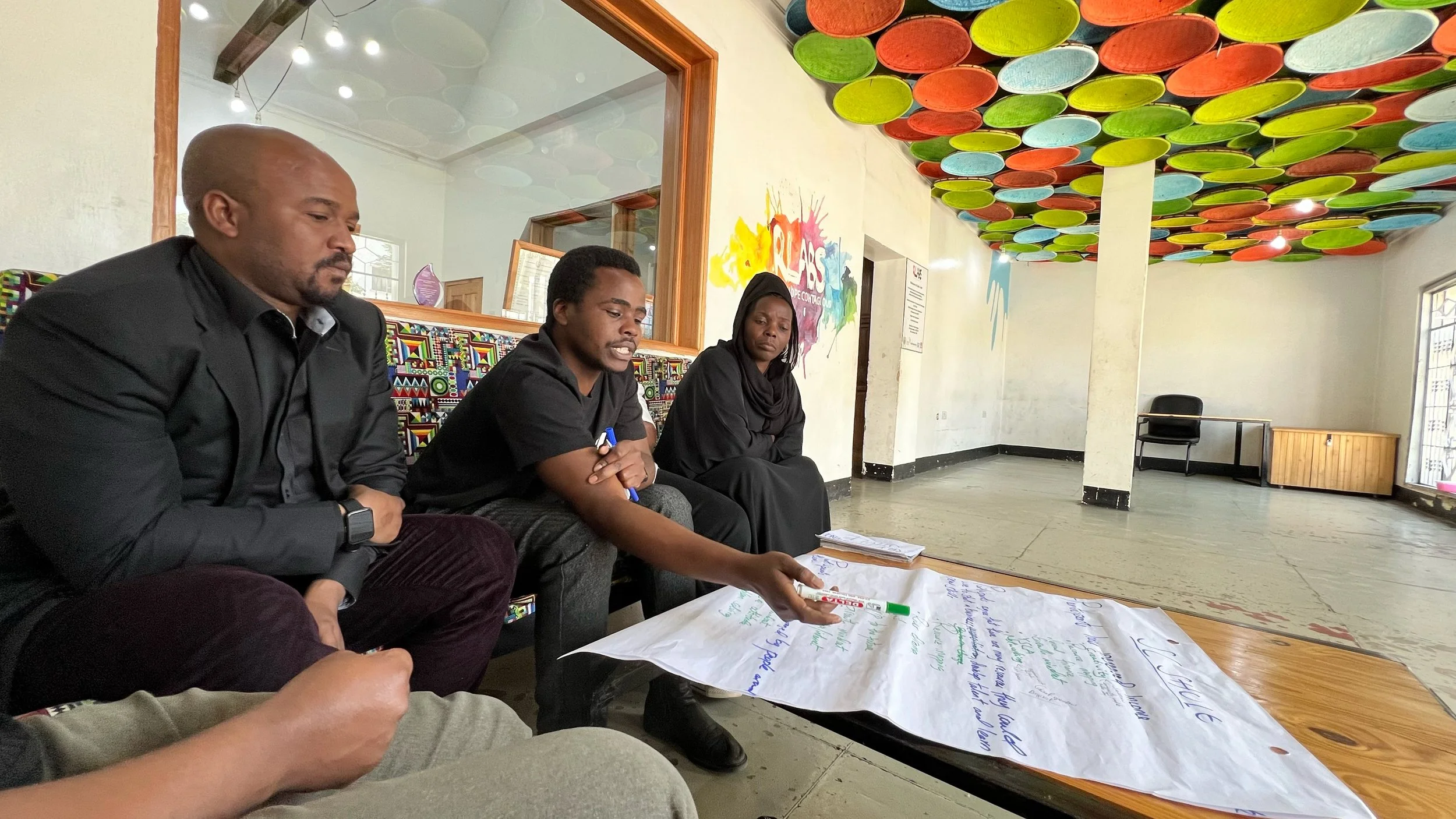
“The training sessions helped us unearth the root causes of issues through probing questions, stretching us beyond ‘what we usually do’ (kama kawaida) and into more out-of-the-box initiatives. It challenged the self-imposed limitations that normally hinder people from developing solutions to longstanding problems.”
-Kelvin M., Training Content Lead, RLabs Tanzania
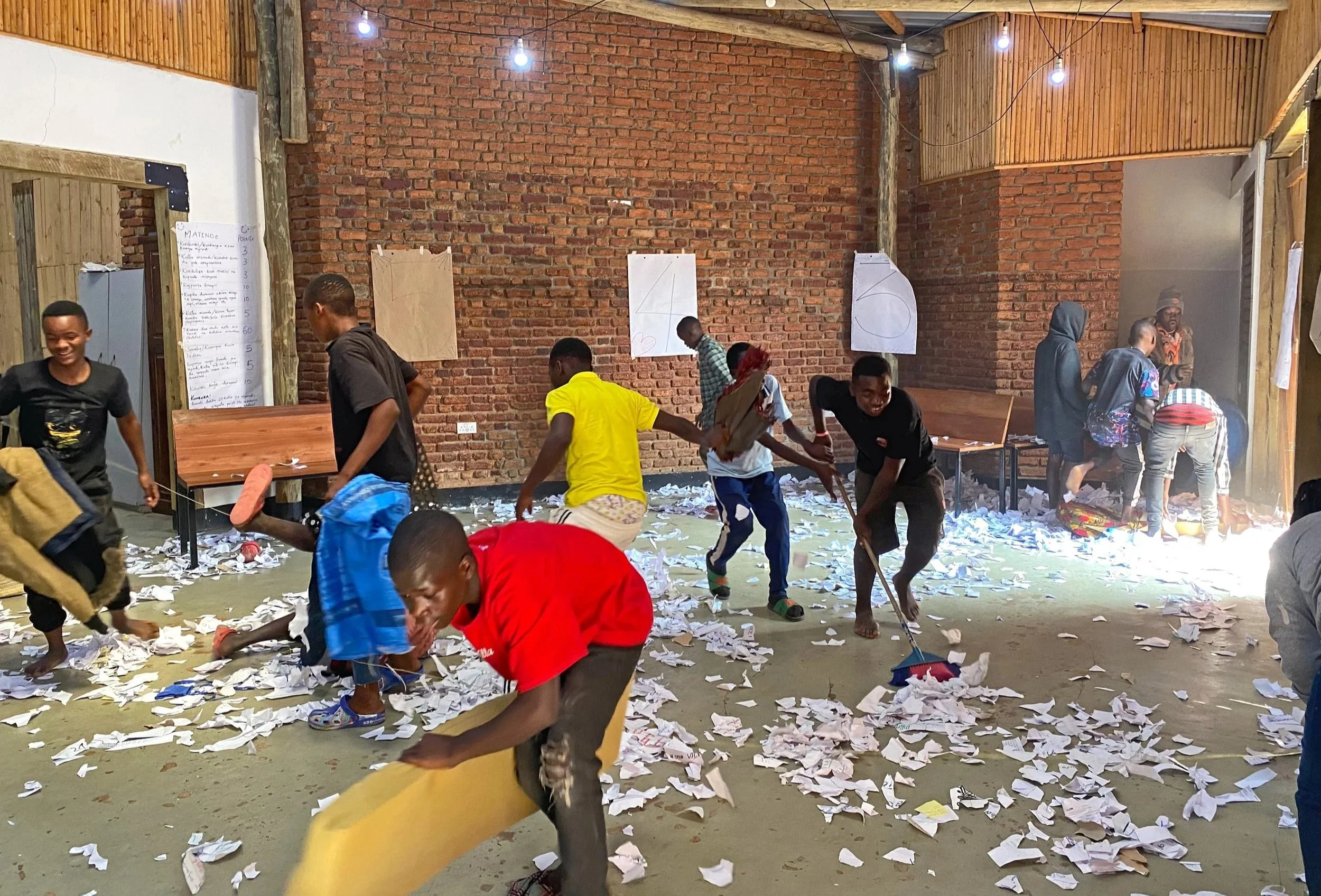
We worked alongside RLabs Tanzania to strengthen their team’s ability to think differently, design more effective programs, and respond creatively to complex social challenges.
Let’s build stronger teams and smarter approaches together.
1. Ngwai, A. (2021, August 22) The plight and fight of Tanzania’s street child. The Citizen. https://www.thecitizen.co.tz/tanzania/magazines/sound-living/-the-plight-and-fight-of-tanzania-s-street-child-3520928
2. Statista. Number of people living in extreme poverty in Tanzania from 2016 to 2025. https://www.statista.com/statistics/1230404/number-of-people-living-in-extreme-poverty-in-tanzania/